How to Get Married in Germany
Getting married in Germany can be an exciting experience, whether you are a German citizen, an EU national, or a foreign national planning to marry your partner in a German city. Germany has a structured civil marriage system, and the most important office you need to know is the Standesamt, the local civil registry office responsible for marriages. Unlike a wedding celebration at a hotel, restaurant, church, or outdoor venue, the legal marriage itself must follow the requirements of the German civil registration system. That means paperwork matters just as much as choosing the perfect dress, rings, photographer, or reception venue. If you are wondering how to get married in Germany, the smartest approach is to start with the Standesamt responsible for your situation, because the exact documents can vary depending on nationality, previous marital status, residence, and personal circumstances. Germany’s Federal Foreign Office specifically advises couples involving a foreign partner to contact the responsible Standesamt first and obtain information about the documents required before making major arrangements.
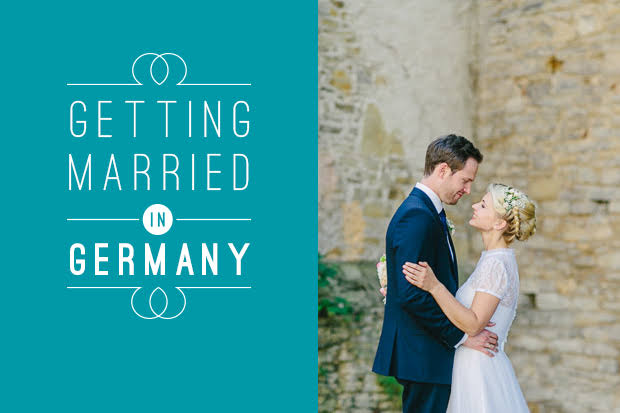
Understanding Marriage in Germany
The first thing to understand is that Germany separates the legal marriage ceremony from the wider wedding celebration. Your legal marriage takes place through the civil authorities, while a religious ceremony, reception, dinner, party, photography session, or other celebration can be arranged separately. Think of the Standesamt as the legal foundation of your wedding: once the legal requirements have been checked and the civil ceremony has taken place, you can build the rest of your celebration around it. This distinction is particularly important for couples who come from countries where religious or traditional ceremonies may traditionally be considered the central part of marriage. If you are planning a wedding in Germany, therefore, do not assume that booking a church, hotel, or wedding hall automatically creates a legally recognized German marriage. The civil registration process needs to be handled correctly.
Civil Marriage and the Standesamt
The Standesamt is the key authority for a civil marriage in Germany. Couples normally begin by contacting the appropriate registry office, explaining their circumstances, and asking which documents they must provide. This is especially important when one or both partners are foreign nationals because German authorities may need to examine foreign civil-status documents and determine whether additional authentication, translation, or other procedures are required. The Federal Foreign Office advises couples to ask their responsible Standesamt for the precise requirements rather than relying on a generic document list.
The reason for this careful approach is simple: there is no single universal paperwork package that works identically for every couple. A German citizen marrying another German citizen may have a considerably simpler process than two foreign nationals marrying in Germany. Someone who has previously been married may also need additional evidence concerning the end of that earlier marriage. A foreign birth certificate might need an approved German translation, while a document from another country may require an apostille or legalization depending on the circumstances. Your Standesamt is therefore the best starting point.
Basic Legal Requirements for Marriage
Before you start collecting documents, both partners should establish that they are legally able to marry. German authorities examine issues such as identity, marital status, and possible legal impediments. The exact legal assessment can become more complicated when foreign law is involved because a person’s nationality can affect which rules apply to certain aspects of their capacity to marry. This is one reason international couples should not treat the process as simply filling out a wedding form and selecting a date. The authorities need reliable evidence before they can authorize the marriage.
Age, Marital Status, and Eligibility
A fundamental requirement is that both people must be legally eligible to marry and should not already be married to someone else. Previous marriages, divorces, annulments, or deaths of former spouses can create additional documentation requirements. Foreign divorces can sometimes require special recognition procedures before the German authorities can treat the previous marriage as legally ended for the purpose of a new marriage. The German Foreign Office explains that German authorities examine relevant issues concerning a person’s capacity to marry, including possible obstacles such as an existing marriage or certain family relationships.

This is why honesty and complete documentation are so important. If a previous marriage exists but you fail to provide the necessary information, the process can become much more complicated later. It is far better to tell the Standesamt about previous relationships and legal changes at the beginning. If you are unsure whether an old divorce decree, foreign annulment, or other document is sufficient, ask the registry office before spending money on a venue or non-refundable wedding arrangements.
Choosing the Correct Standesamt
Choosing the correct Standesamt is one of the most important practical steps in the entire process. If you live in Germany, the appropriate registry office is generally connected to your place of residence, although the rules can differ depending on the couple’s circumstances. If neither partner has a residence or habitual stay in Germany, the procedure can be different. The Federal Foreign Office states that couples living abroad who have no residence or habitual stay in Germany should contact the Standesamt where they intend to marry to determine the necessary documentation.
Where to Register Your Marriage
Do not simply choose a registry office because you like the building or city. First determine which office is legally responsible for your marriage application. Once the appropriate office has been identified, ask for its current requirements for your exact nationality and marital circumstances. This can save you weeks of unnecessary work because document requirements are often dependent on personal circumstances. A foreign citizen may need documents that a German citizen does not, and the office may require specific formats or translations.
For couples who do not live in Germany but want to marry there, contacting the intended Standesamt early is particularly important. The Federal Foreign Office confirms that such couples should ask the relevant German registry office directly about the documents required.
Documents You Usually Need
One of the biggest parts of getting married in Germany is preparing documentation. Common documents can include proof of identity, birth records, proof of residence, and evidence concerning marital status. However, the exact list depends on your circumstances, so a generic internet checklist should be treated as a starting point rather than an official final list. The Standesamt may ask for original documents, certified copies, recent certificates, translations, or authentication depending on where a document was issued.
Documents for German Citizens
For German citizens, the required paperwork may be relatively straightforward, particularly when the relevant civil-status information is already recorded in German registers. Depending on the situation, the Standesamt may require identity documents and civil-status records or obtain certain information through official records. If one partner has been married before, additional documentation can be necessary.
A useful strategy is to contact the registry office before ordering every possible document. Ask for a written or clearly explained list tailored to your circumstances, then collect the documents one by one. This approach avoids the common mistake of paying for documents that later turn out to be unnecessary or obtaining certificates in a format that the registry office cannot accept.
Documents for Foreign Citizens
Foreign citizens should expect the process to potentially require more preparation. Depending on nationality and personal history, the Standesamt may request a passport or other identity document, birth certificate, proof of marital status, evidence concerning previous marriages, and additional civil-status documents. Foreign documents may also need to be translated and authenticated. The Federal Foreign Office states that foreign documents of an intended spouse may need translation and certification in many cases.
Translation, Apostille, and Legalization
This is an area where international couples often encounter delays. A document issued outside Germany may not automatically be accepted simply because it is an official document in its country of origin. Depending on the country and document, German authorities may require an apostille, legalization, or another method of establishing authenticity. Foreign-language documents may also require translation by an appropriately recognized or publicly sworn translator. German authorities explain that foreign documents frequently require additional authentication and that translations are often required.
The safest approach is to ask your Standesamt exactly what it expects before ordering translations or authentication. Requirements can differ according to the country where the document was issued. Do not assume that a translation prepared by any online translator will be accepted for a legal marriage application. When an official translation is required, use the type of translator or certification specifically accepted by the relevant German authority.
Registering Your Intention to Marry
After you have established which Standesamt is responsible and which documents are required, the next major step is to formally register your intention to marry. The registry office reviews the information and documents to determine whether the legal requirements are satisfied. This process is sometimes described in English as registering or filing the marriage application, while German administrative terminology refers to the registration of the intended marriage.
This stage should not be treated as a last-minute formality. It is where missing documents, unusual nationality issues, previous marriages, or authentication problems may surface. If everything is straightforward, the process can move efficiently, but international cases can take longer. The Federal Foreign Office recommends that couples first obtain confirmation from the responsible Standesamt concerning the required documentation.
Marriage Procedure at the Standesamt
Once the registry office has reviewed the documents and determined that the legal conditions have been met, the couple can arrange the civil ceremony according to the office’s available procedures and appointments. The exact ceremony experience depends on the Standesamt and the options offered by the municipality. Some registry offices have attractive historic rooms or special ceremony locations, while others offer a more straightforward administrative setting.
What Happens on the Wedding Day
On the wedding day, you and your partner attend the civil ceremony and complete the legal formalities required by the registrar. The ceremony may be relatively simple compared with a large traditional wedding, but that does not make the moment less meaningful. Couples can often personalize aspects of the celebration around the official ceremony, subject to the registry office’s rules. Guests, witnesses, photography, music, and other details should be discussed with the Standesamt beforehand rather than assumed.
After the legal ceremony, you can continue with your reception, meal, party, photography, or religious celebration. This is where your personal wedding style can really take over. Germany offers everything from elegant city weddings and historic castles to intimate countryside celebrations, so the civil ceremony does not have to define the entire wedding experience.
Getting Married in Germany as a Foreigner
Foreign nationals can marry in Germany, but the process can require more preparation than a domestic German marriage. The biggest challenge is often not the ceremony itself but proving identity, marital status, and legal capacity using documents from another country. If you are traveling to Germany specifically to marry, immigration and visa rules become another important part of your planning.
Visa and Residence Considerations
If a foreign partner needs a visa to enter Germany for the purpose of marrying, the immigration process should be coordinated with the marriage procedure. The German Foreign Office states that once the Standesamt confirms that the necessary documents for the marriage are complete, an eligible foreign partner may apply for a visa for marriage in Germany through the responsible German diplomatic mission.
Visa requirements depend on nationality and circumstances, so never assume that a tourist visa or visa-free entry automatically gives you the appropriate legal route for marriage and subsequent residence. Some nationalities have different rules regarding entry and residence, while others may need to obtain the appropriate visa before traveling. The Federal Foreign Office specifically distinguishes between different nationality groups in its guidance.
Marriage Between a German and a Foreign Partner
A German citizen marrying a foreign national should expect the Standesamt to examine both partners’ documentation carefully. The foreign partner’s documents may need translation and authentication, and the German partner may need to provide information concerning their own civil status. The German Foreign Office recommends contacting the relevant residence Standesamt first because that office can explain the exact documentation required.
Once the Standesamt confirms that the paperwork is complete, the foreign partner may be able to proceed with the relevant visa application if one is required. This coordination is important because the marriage process and immigration process are related but not identical. Getting married does not mean that every immigration question automatically disappears. Residence rights, visas, registration, and later citizenship questions can involve separate legal rules.
How Long Does the Process Take?
There is no single guaranteed timeline for every marriage in Germany. A straightforward case involving two people whose documents are readily available may progress much faster than an international case involving foreign birth certificates, previous marriages, translations, apostilles, or recognition of foreign legal decisions. The biggest lesson is simple: start early.
If one partner is outside Germany, allow additional time for obtaining documents and dealing with the relevant German embassy or consulate. The Federal Foreign Office indicates that a visa application may follow once the Standesamt has confirmed that the marriage documents are complete.
Rather than choosing your wedding date first and trying to force the legal process to fit your schedule, reverse the order. Begin with the Standesamt, establish the requirements, collect documents, resolve immigration issues, and then finalize the celebration date when the legal path is clear.
Costs of Getting Married in Germany
Marriage costs in Germany depend heavily on the municipality, ceremony arrangements, documents, translations, authentication requirements, and additional services you choose. The legal ceremony itself is only one part of the potential budget. Foreign couples can face additional expenses for document procurement, certified translations, apostilles, legalizations, international shipping, visa applications, and travel.
For that reason, it is difficult to provide one universal price for every couple. Ask your Standesamt for its current fees and then separately budget for document-related costs. If you are hiring a translator, photographer, venue, planner, or other wedding professional, those expenses should be treated as separate wedding costs rather than part of the basic civil marriage fee.
Choosing a Wedding Venue
Once the legal process is under control, Germany gives couples enormous freedom in how they celebrate. You might choose a traditional reception hall, modern hotel, restaurant, vineyard, countryside property, historic building, or another private venue. Some couples prefer a small civil ceremony followed by dinner, while others plan a full weekend celebration with family and friends.
Remember that a beautiful venue does not replace the legal marriage process. If the venue is not itself an authorized civil marriage location, your legal marriage must still be completed through the appropriate civil authority. Confirm all details with the Standesamt before advertising your ceremony as the official legal wedding.
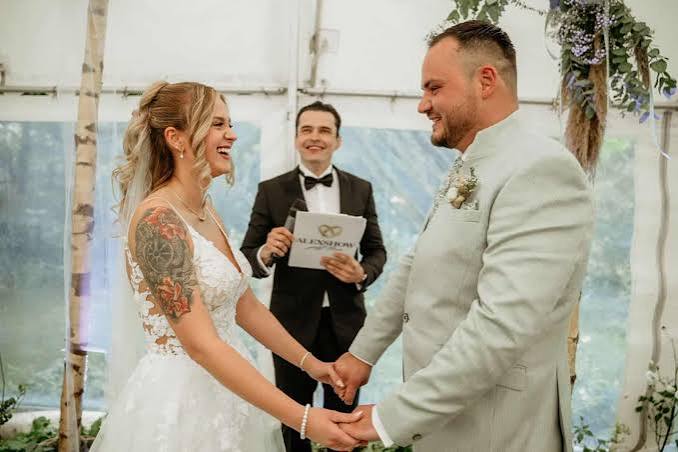
Civil Ceremony vs. Religious Ceremony
Germany’s civil marriage system is particularly important for couples who also want a religious wedding. A religious ceremony can be meaningful culturally or spiritually, but the legal side of the marriage must be handled separately through the appropriate civil authorities. Couples should therefore decide early whether they want only a civil ceremony or both civil and religious celebrations.
A practical wedding timeline might begin with the Standesamt ceremony and then continue with photographs, a religious celebration if desired, and a reception. This can make the day feel seamless while keeping the legal and personal parts of the wedding clearly organized.
Marriage Certificates and Name Changes
After the civil marriage, you should receive documentation confirming the marriage according to the applicable German procedure. Keep the certificate securely because it may later be needed for immigration, insurance, banking, tax, family, or other administrative matters. If you need the certificate for use outside Germany, you may also need to determine whether an international version, apostille, legalization, or translation is required.
Name changes are another subject that deserves attention. Marriage does not automatically mean that every person must change their surname. The applicable rules depend on the circumstances and the legal choices made by the spouses. If you plan to change your name, discuss the procedure with the relevant German authority rather than assuming that the change happens automatically on the wedding day.
Common Problems and Delays
One of the most common problems is assuming that documents from another country will automatically be accepted in Germany. They may require authentication, apostille, legalization, or an approved translation. Another frequent issue is discovering that a previous divorce or marriage requires additional legal documentation. Couples can also run into problems when they apply for a visa without first coordinating with the Standesamt.
The best defense is preparation. Send questions to the responsible authority early, keep copies of every document, check expiration or issuance requirements, and do not book expensive non-refundable arrangements until you understand the legal timeline. If a case is unusually complicated, professional legal advice may be worthwhile.
Tips for a Smooth Marriage Application
A successful German marriage application is less about luck and more about organization. Start by identifying your Standesamt and requesting a personalized list of requirements. Then create a document folder containing passports, civil-status documents, translations, authentication documents, correspondence, appointments, and copies. If your partner lives abroad, create a second folder for visa and immigration documents so the two processes do not become mixed together.
The most useful habits are surprisingly simple:
- Contact the Standesamt early.
- Explain both partners’ nationalities and residence situations.
- Disclose previous marriages or divorces.
- Confirm translation requirements before translating documents.
- Ask whether an apostille or legalization is necessary.
- Check visa requirements separately.
- Keep original documents and copies organized.
- Avoid booking an inflexible wedding date too early.
These steps can turn what initially looks like a mountain of paperwork into a manageable sequence of tasks.
Can Two Foreigners Marry in Germany?
Yes, two foreign nationals may be able to marry in Germany, but the procedure can be more complicated than a marriage involving two German citizens. If neither partner has a German residence or habitual stay, the German Foreign Office advises the couple to contact the Standesamt where they intend to marry. That office determines which documentation is required for their particular case.
The important point is that nationality, residence, and the law applicable to each person’s capacity to marry can affect the paperwork. Two people should not assume that because they can legally marry in their home country, they automatically meet every German procedural requirement without additional documentation. The Standesamt needs enough evidence to establish that the marriage can legally be performed.
Conclusion
Learning how to get married in Germany becomes much easier when you treat the process as a sequence rather than one giant task. Start with the appropriate Standesamt, identify exactly which documents apply to both partners, and then work through authentication, translation, previous-marriage documentation, and visa requirements where necessary. German authorities emphasize contacting the responsible registry office because requirements can vary considerably, particularly for couples involving foreign nationals.
For international couples, patience is especially valuable. A birth certificate, divorce decree, or marital-status document from another country may require additional procedures before German authorities can accept it. If a foreign partner needs a visa, coordinate the immigration process with the marriage application instead of treating them as completely separate projects. The Federal Foreign Office confirms that, in relevant cases, the marriage visa process can proceed after the Standesamt confirms that the required marriage documents are complete.
Germany can be an excellent place to start married life, but the secret to a smooth experience is preparation. Don’t let the paperwork steal the excitement from your wedding; handle the legal foundation early, keep your documents organized, and then enjoy planning the celebration that represents you as a couple.
FAQs About Getting Married in Germany
1. Can foreigners get married in Germany?
Yes, foreigners can potentially marry in Germany, but the exact requirements depend on nationality, residence, marital history, and other circumstances. Couples without a German residence should contact the Standesamt where they intend to marry for an individualized list of required documents.
2. Do I need a German visa to get married in Germany?
It depends on your nationality and circumstances. Some foreign nationals need a visa before entering Germany, while others may have different entry or residence rules. If a visa for marriage is required, the German Foreign Office advises first obtaining confirmation from the responsible Standesamt that the marriage documentation is complete.
3. Do foreign documents need to be translated?
They often do. German authorities may require foreign-language civil-status documents to be translated, and the translation may need to be prepared by a recognized or publicly sworn translator. Authentication, apostille, or legalization requirements can also apply depending on the document and issuing country.
4. Can two people living outside Germany marry in Germany?
Potentially, yes. If neither partner has a residence or habitual stay in Germany, the Federal Foreign Office recommends contacting the Standesamt where the couple plans to marry. That office will explain the documentation and procedure applicable to the couple.
5. Do I have to register a marriage performed abroad in Germany?
Not necessarily. The German Foreign Office states that registration of a marriage performed abroad with a German Standesamt is generally not mandatory, although certain couples, including cases where at least one spouse is German, can request registration in the German marriage register. Recognition also depends on the applicable legal requirements.