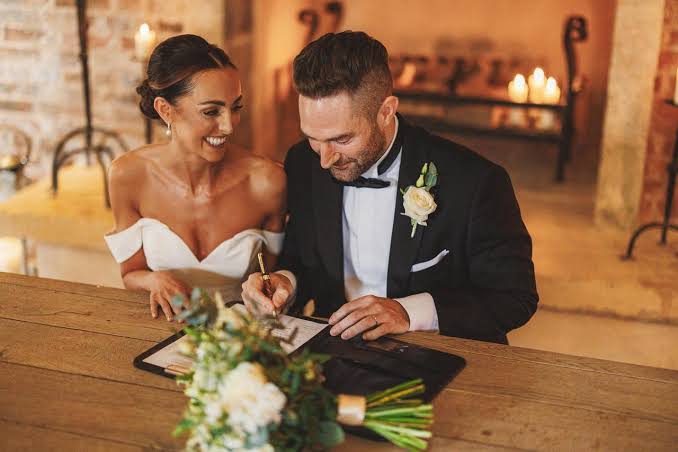
How to Get Married in the UK: Complete Guide for 2026
Getting married in the United Kingdom can be an exciting experience, whether you and your partner are British citizens, residents, or coming from another country. However, marriage in the UK involves legal requirements, documentation, giving notice, choosing a venue, and, for some foreign nationals, obtaining the correct visa.
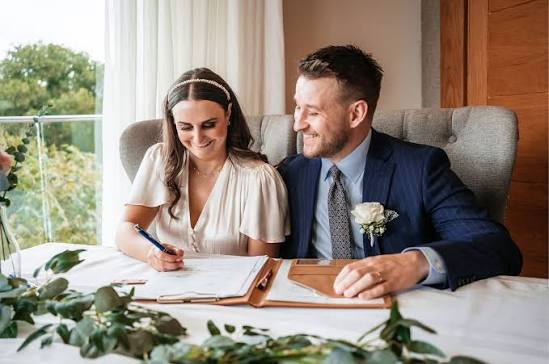
The exact procedure depends on where you plan to marry because England and Wales, Scotland, and Northern Ireland have different legal systems and requirements. This guide explains the general process, with particular attention to England and Wales and information for couples coming from overseas.
Table of Contents
- Who Can Get Married in the UK?
- Choose Where You Want to Marry
- Decide Between a Civil or Religious Ceremony
- Give Notice of Marriage
- Documents You May Need
- Marriage Requirements for Foreigners
- Marriage Visitor Visa
- Fiancé Visa for Couples Planning to Live in the UK
- Choosing a Wedding Venue
- Planning the Wedding Ceremony
- Witness Requirements
- Getting Your Marriage Certificate
- Previous Marriages and Divorce
- Marriage in Scotland
- Common Mistakes to Avoid
- Estimated Planning Timeline
- Final Checklist
- Disclaimer
1. Who Can Get Married in the UK?
In England and Wales, you generally must be at least 18 years old, not already married or in a civil partnership, and not closely related to your partner. Same-sex couples can also legally marry.
Both partners must have the legal capacity to marry and must give genuine consent to the marriage.
If either person has previously been married or in a civil partnership, evidence that the previous relationship legally ended may be required.
Because marriage laws differ throughout the UK, you should check the rules for the specific country where your ceremony will take place.
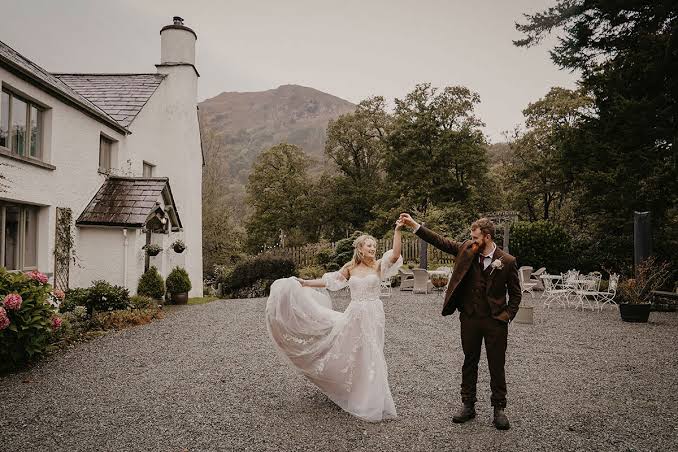
2. Choose Where You Want to Marry
The UK consists of several jurisdictions, and marriage procedures are not identical everywhere.
In England and Wales, couples can generally marry at a register office or at an approved venue. Religious marriages can also take place at registered religious buildings under the applicable requirements.
Scotland has its own marriage procedures. For example, couples generally submit a notice of intention to marry to the registrar in the area where they plan to marry, and notices normally need to be submitted at least 28 full days before the marriage.
Therefore, choose your location before making detailed arrangements.
3. Decide Between a Civil or Religious Ceremony
A civil wedding is a non-religious legal ceremony. In England and Wales, this can take place at a register office or an approved venue such as a hotel or other licensed premises.
A religious wedding may take place at a registered religious building, subject to the rules applying to that building and ceremony.
For a civil ceremony in England and Wales, a registrar must conduct or attend the ceremony. At least two witnesses are also required.
Before booking a venue, make sure it is legally authorised to host the type of ceremony you want.
4. Give Notice of Marriage
One of the most important legal steps in England and Wales is giving notice.
Giving notice means making a formal legal declaration at a register office that you intend to marry. Generally, you must give notice at least 29 days before the wedding ceremony. The ceremony must normally take place within 12 months of giving notice.
You will usually need to make an appointment with the relevant register office.
You also generally need to have lived in the registration district for at least seven days before giving notice.
If you and your partner live in different registration districts, separate arrangements may apply.
5. Documents You May Need
The documents required can depend on your nationality, immigration status, previous marital status, and circumstances.
For England and Wales, GOV.UK states that people giving notice generally need original documents including identification, proof of address, details of the wedding venue, and evidence of name changes where applicable.
Examples can include:
- Valid passport
- UK birth certificate where applicable
- Proof of address
- Evidence of a legal name change
- Details of the wedding venue
- Divorce or final-order documents if previously married
- Death certificate of a former spouse where applicable
- Immigration-status evidence where applicable
- Passport-sized photographs in certain cases
- Certified translations for documents that are not in English
Do not assume that a photocopy or unofficial translation will be accepted. Check the requirements of your register office before your appointment.
6. Marriage Requirements for Foreigners
Foreign nationals can marry in the UK, but immigration rules are particularly important.
If you or your partner are from outside the UK or Ireland, you may need a visa or qualifying immigration status before giving notice or getting married. GOV.UK lists several exceptions, including certain people with settled or pre-settled status and people already holding qualifying UK visas.
Your immigration status can affect where and when you give notice.
If you are planning to travel to the UK specifically to marry, check your immigration route before purchasing non-refundable wedding arrangements.
Importantly, a Standard Visitor visa cannot be used to give notice or marry in the UK.
7. Marriage Visitor Visa
If you are coming to the UK to marry but do not intend to live there after the wedding, you may need a Marriage Visitor visa.
The Marriage Visitor visa is designed for people who want to marry or form a civil partnership in the UK and intend to leave after the visit. GOV.UK currently lists the application fee as £135. The visa allows a stay of up to six months, subject to its conditions.
You normally need to apply before travelling to the UK.
Applicants may need to provide evidence of their wedding arrangements, such as venue information or correspondence, as well as their passport and other supporting documents. Documents that are not in English or Welsh may require certified translations.
A Marriage Visitor visa does not provide a route to remain permanently in the UK.
8. Fiancé Visa for Couples Planning to Live in the UK
The situation is different if your intention is to marry your partner in the UK and then live there.
For example, someone coming to the UK to marry a British citizen or qualifying settled partner may need a fiancé visa rather than a Marriage Visitor visa.
The appropriate immigration route depends on factors such as the couple’s circumstances, immigration status, relationship, finances, and future plans.
GOV.UK distinguishes between a Marriage Visitor visa for people who do not intend to settle in the UK and family-related routes for people who intend to live in the country.
Because immigration requirements can change and applications can be complicated, applicants should carefully review the current official requirements before applying.
9. Choosing a Wedding Venue
Once you understand the legal requirements, you can choose your wedding venue.
Possible venues include:
- Register offices
- Hotels
- Licensed wedding venues
- Historic buildings
- Religious buildings
- Other approved premises
In England and Wales, the final venue generally needs to be decided before you give notice because venue details form part of the notice process.
Ask the venue whether it has its own registrar arrangements or whether you need to contact the local registration service yourself.
10. Planning the Wedding Ceremony
After completing the legal requirements, you can organise the ceremony and reception.
Your planning may include:
- Wedding invitations
- Clothing
- Photography
- Catering
- Flowers
- Music
- Transportation
- Accommodation
- Wedding rings
- Reception arrangements
Remember that a wedding celebration and the legal marriage are not necessarily the same thing. Make sure the legal ceremony is conducted by an authorised person and follows the applicable requirements.
11. Witness Requirements
In England and Wales, you need at least two witnesses for the marriage ceremony. The couple, witnesses, and the registrar or authorised person complete the required marriage documentation.
Speak with your venue or registrar about any age, identification, or language requirements for witnesses before the wedding.
12. Getting Your Marriage Certificate
After the ceremony, the signed marriage schedule or marriage documentation is processed through the registration system.
Once the marriage has been registered, you can obtain a marriage certificate through the relevant registration service. GOV.UK advises couples to contact their local register office regarding obtaining the certificate and the expected processing time.
Keep your marriage certificate in a safe place because you may need it for immigration, government, financial, insurance, or other administrative purposes.
13. Previous Marriages and Divorce
If either partner was previously married, the previous marriage must have legally ended before a new marriage can take place.
Depending on the circumstances, you may need to provide documents such as a final divorce order, annulment documentation, or the death certificate of a former spouse. Overseas divorce documents may require additional checks or evidence.
Start collecting these documents early because obtaining official records from another country can take time.
14. Marriage in Scotland
Scotland has different marriage laws from England and Wales.
For example, Scotland generally allows people aged 16 or over to marry, subject to the other legal requirements. Couples must submit notices of intention to marry to the registrar in the relevant area, normally at least 28 full days before the planned marriage.
If you want to marry in Scotland, use Scottish government and National Records of Scotland guidance rather than assuming that the England and Wales procedure applies.
15. Common Mistakes to Avoid
One common mistake is booking a wedding before checking immigration requirements.
Another is assuming that every visitor visa permits marriage. This is particularly important for foreign nationals because a Standard Visitor visa cannot be used for marriage or giving notice in the circumstances covered by the GOV.UK guidance.
Other mistakes include:
- Giving notice too late
- Bringing incorrect documents
- Forgetting certified translations
- Not checking the venue’s legal status
- Assuming an overseas divorce document will automatically be accepted
- Buying non-refundable travel arrangements before receiving a required visa
- Confusing a Marriage Visitor visa with a route to settlement
Careful preparation can help prevent delays.
16. Estimated Planning Timeline
A sensible wedding plan should begin several months before the ceremony.
Several Months Before
Choose the country and venue, determine whether you need a visa, collect important documents, and investigate the applicable marriage requirements.
Before Travelling
If you require a UK visa, submit the appropriate application before travelling. Do not assume that a different visitor visa will be sufficient.
Before the Wedding
Complete the notice process within the required timeframe and make sure all documents are accepted.
Wedding Day
Attend the ceremony with your required documents and witnesses and complete the legal marriage process.
After the Wedding
Arrange your marriage certificate and keep copies of important documents.
17. Final Checklist
Before getting married in the UK, consider the following checklist:
- Confirm which part of the UK you will marry in.
- Check that both partners meet the legal requirements.
- Choose an authorised venue.
- Determine whether either partner needs a visa.
- Select the correct visa if travelling from overseas.
- Prepare original documents.
- Arrange certified translations where necessary.
- Give notice within the required period.
- Confirm the ceremony date.
- Arrange at least two witnesses where required.
- Complete the legal ceremony.
- Obtain your marriage certificate.
- Keep your legal documents safely stored.
Conclusion
Getting married in the UK involves more than booking a wedding venue. Couples must satisfy the legal requirements, give the appropriate notice, provide the correct documents, and make sure the ceremony is legally recognised.
For couples coming from outside the UK, immigration status is especially important. A Marriage Visitor visa may be suitable for someone who intends to marry in the UK and leave afterward, while a different immigration route may apply when the intention is to live in the UK with a partner.
The best approach is to begin with the official government requirements for the specific part of the UK where you intend to marry and then plan your wedding around those legal requirements.
Disclaimer
This article is provided for general informational and educational purposes only. Marriage, immigration, visa, and family-law requirements can change and may vary depending on your nationality, immigration status, previous marital history, location, and personal circumstances.
This article is not legal or immigration advice and does not create a solicitor-client relationship. Always check the latest information on official UK government websites or obtain advice from a qualified immigration or family-law professional before making important decisions, submitting an application, booking travel, or arranging a wedding.