
How to Get Married for the First Time in the USA (2026 Complete Guide)
Table of Contents
- Introduction
- Understanding Marriage Laws in the USA
- Who Can Get Married?
- Legal Requirements Before Marriage
- Choosing the State for Your Wedding
- How to Apply for a Marriage License
- Documents You Need
- Marriage License Fees
- Waiting Periods and Expiration Dates
- Finding an Officiant
- Wedding Ceremony Requirements
- Witness Requirements
- Registering Your Marriage
- Getting Your Marriage Certificate
- Name Change After Marriage
- Marriage for International Couples
- Common Mistakes to Avoid
- Frequently Asked Questions
- Final Tips
- Conclusion
Introduction
Getting married for the first time is one of life’s biggest milestones. Whether you are planning a simple courthouse ceremony or a large traditional wedding, understanding the legal process is essential. The United States has marriage laws that vary by state, but the overall process is straightforward when you know what to expect.
This 2026 guide explains everything you need to know about getting married for the first time in the USA, including eligibility requirements, marriage licenses, necessary documents, costs, and what happens after the wedding.
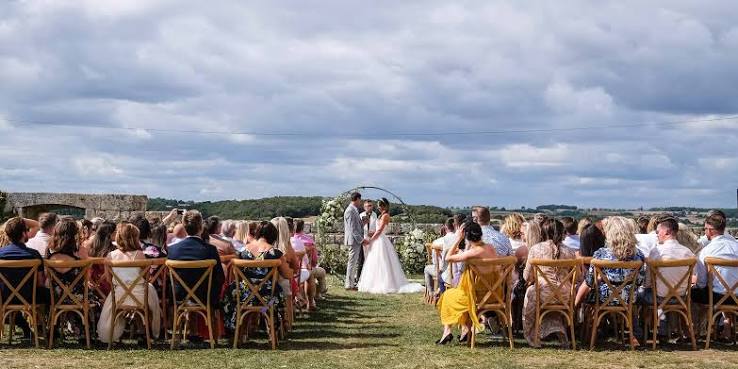
Understanding Marriage Laws in the USA
Marriage laws in the United States are primarily governed by individual states rather than the federal government. This means the requirements for obtaining a marriage license may differ depending on where you plan to marry.
Despite these differences, every state requires couples to:
- Meet the legal age requirement
- Obtain a marriage license
- Participate in a legal marriage ceremony
- Have the marriage performed by an authorized officiant
Once legally married in one state, your marriage is recognized throughout the United States.
Who Can Get Married?
To legally marry in the United States, both individuals generally must:
- Be at least 18 years old (or meet state rules for minors)
- Be mentally capable of consenting to marriage
- Not already be married to another person
- Not be closely related under state law
Both opposite-sex and same-sex marriages are legal throughout the United States.
Legal Requirements Before Marriage
Before planning your wedding, ensure you meet the legal requirements.
These usually include:
- Valid government-issued photo identification
- Proof of age
- Social Security Number (if applicable)
- Payment for the marriage license fee
Some states may request additional documentation, especially if either person was previously married.
Choosing the State for Your Wedding
Every state has different marriage laws.
Popular wedding destinations include:
- California
- Florida
- Nevada
- Hawaii
- New York
- Texas
Many couples choose a destination based on scenery, convenience, family location, or honeymoon plans.
How to Apply for a Marriage License
The marriage license is one of the most important legal documents.
The typical process includes:
Step 1
Visit the county clerk’s office.
Step 2
Complete the marriage license application.
Step 3
Present identification documents.
Step 4
Pay the application fee.
Step 5
Receive your marriage license.
Some counties allow online appointments before visiting the office.
Documents You Need
Most counties require:
- Passport
- Driver’s license
- State ID card
- Birth certificate (in some states)
- Social Security Number
- Divorce decree (if previously divorced)
- Death certificate (if widowed)
Always verify local requirements before applying.
Marriage License Fees
Marriage license fees vary significantly.
Typical costs range between:
| State | Approximate Fee |
|---|---|
| California | $60–$120 |
| Texas | $70–$90 |
| Florida | $85–$95 |
| Nevada | Around $100 |
| New York | Around $40 |
Fees may vary by county.
Waiting Periods
Some states issue licenses immediately.
Others require a waiting period ranging from 24 hours to several days.
Examples:
- Nevada – No waiting period
- California – Usually immediate
- New York – 24-hour waiting period
- Wisconsin – Several days
Always check local regulations before scheduling your ceremony.
License Expiration
Marriage licenses are only valid for a limited time.
Common validity periods include:
- 30 days
- 60 days
- 90 days
- One year (certain states)
If your license expires before your ceremony, you’ll need to apply again.
Finding an Officiant
A legal wedding must be performed by an authorized officiant.
This may include:
- Judge
- Justice of the Peace
- Religious minister
- Priest
- Rabbi
- Imam
- Ordained officiant
- Authorized civil celebrant
Some states also allow friends or family members to become ordained online.
Wedding Ceremony Requirements
The ceremony can be:
- Religious
- Civil
- Traditional
- Outdoor
- Destination
- Courthouse
Regardless of style, the officiant must complete the marriage license after the ceremony.
Witness Requirements
Witness requirements differ by state.
Some states require:
- One witness
Others require:
- Two witnesses
Several states require no witnesses at all.
Always verify local rules.
Registering Your Marriage
After the ceremony:
- The officiant signs the license.
- Witnesses sign if required.
- The completed license is returned to the county clerk.
- The marriage is officially recorded.
This process usually takes only a few days.
Getting Your Marriage Certificate
The marriage certificate serves as legal proof of marriage.
You’ll need it for:
- Name changes
- Immigration applications
- Insurance
- Tax filing
- Banking
- Social Security updates
- Passport changes
Certified copies can usually be ordered from the county clerk.
Name Change After Marriage
Changing your last name is optional.
If you decide to change it, update:
- Social Security records
- Driver’s license
- Passport
- Bank accounts
- Credit cards
- Insurance policies
- Employer records
- Voter registration
Many couples complete these updates within the first few months after marriage.
Marriage for International Couples
Non-U.S. citizens can legally marry in the United States.
Generally required documents include:
- Valid passport
- Identification
- Marriage license
- Any required translations
Marriage itself does not automatically grant U.S. immigration benefits. Separate immigration applications are required if a couple plans to live permanently in the United States.
Tips for Planning Your First Marriage
Successful wedding planning often begins months in advance.
Helpful suggestions include:
- Create a realistic budget.
- Book venues early.
- Hire reputable vendors.
- Keep copies of important documents.
- Confirm state marriage laws.
- Apply for the marriage license within the allowed timeframe.
- Schedule appointments early during peak wedding season.
Good preparation helps reduce stress and ensures a smooth experience.
Common Mistakes to Avoid
Many first-time couples make avoidable errors.
Avoid these common mistakes:
- Waiting too long to apply for the marriage license
- Forgetting required identification
- Ignoring waiting periods
- Missing witness requirements
- Choosing an unauthorized officiant
- Letting the marriage license expire
- Forgetting to order certified copies of the marriage certificate
- Assuming every state has the same rules
Planning ahead can prevent delays and legal complications.
Frequently Asked Questions
Can foreigners marry in the USA?
Yes. Most states allow foreign nationals to marry if they meet the state’s legal requirements.
Do both people need to be U.S. citizens?
No. U.S. citizenship is not required to get married.
Can you marry at a courthouse?
Yes. Many counties offer civil marriage ceremonies performed by a judge or authorized official.
How long does the process take?
In many states, couples can obtain a marriage license and marry the same day, while others have short waiting periods.
Is a blood test required?
No. Blood tests are no longer required in most U.S. states.
Can same-sex couples legally marry?
Yes. Same-sex marriage is legal nationwide in the United States.
Final Tips
Before your wedding day:
- Double-check all documents.
- Verify ceremony details with your officiant.
- Bring identification to appointments.
- Confirm witness requirements.
- Keep extra copies of your paperwork.
- Order multiple certified marriage certificates for future legal use.
Taking these steps will make the process much smoother.
Conclusion
Getting married for the first time in the USA is an exciting journey that combines legal preparation with personal celebration. While each state has its own marriage laws, the overall process is straightforward: confirm your eligibility, obtain a marriage license, hold a ceremony with an authorized officiant, and ensure your marriage is properly recorded.
By understanding the requirements in advance, gathering the necessary documents, and planning carefully, you can avoid common mistakes and focus on enjoying one of the most memorable days of your life. Whether you choose a courthouse ceremony or a grand wedding celebration, following the legal steps outlined in this guide will help ensure your marriage is recognized throughout the United States. Congratulations, and best wishes for a happy and successful married life!