
Home Insurance in the USA, UK, Canada, Germany, France, Switzerland, Australia, Netherlands, Sweden, Norway, New Zealand, Ireland, and Finland

Home insurance is one of those things that people often buy because they have to, then forget about until something goes wrong. Yet a house or apartment is usually the biggest financial investment most families ever make. Whether you live in the United States, the United Kingdom, Canada, Germany, France, Switzerland, Australia, the Netherlands, Sweden, Norway, New Zealand, Ireland, or Finland, protecting your home against fire, storms, theft, water damage, and other unexpected events can make a huge difference when life takes an unfortunate turn.
The interesting part is that home insurance is not the same everywhere. Some countries separate coverage for the building from coverage for personal belongings. Others include natural disasters automatically, while in certain places you need to purchase additional protection. Climate, local laws, housing markets, and insurance regulations all influence the policies available to homeowners and tenants.
This guide compares home insurance across thirteen developed countries. It explains what policies normally cover, how insurance works in each market, and what homeowners and renters should consider before choosing a policy.
Quick Comparison of Home Insurance by Country
| Country | Typical Building Coverage | Contents Coverage | Natural Disaster Protection |
|---|---|---|---|
| USA | Dwelling and structures | Personal property | Often separate for floods and earthquakes |
| UK | Buildings insurance | Contents insurance | Flood usually included, depending on risk |
| Canada | Home structure | Personal belongings | Some disasters require endorsements |
| Germany | Residential building | Household contents | Optional natural hazard coverage |
| France | Building protection | Household property | Natural catastrophe system |
| Switzerland | Building insurance often cantonal | Household contents | Many natural risks included |
| Australia | House insurance | Contents insurance | Flood coverage varies |
| Netherlands | Building insurance | Contents insurance | Flood risk handled differently |
| Sweden | Home insurance often includes contents | Personal belongings | Broad standard protection |
| Norway | Home insurance | Contents insurance | Weather-related damage often covered |
| New Zealand | House insurance | Contents insurance | Earthquake system plays a role |
| Ireland | Buildings insurance | Contents insurance | Storm and flood terms vary |
| Finland | Home insurance | Household contents | Broad Nordic-style coverage |
Why Home Insurance Matters Around the World
Imagine your home as a ship carrying nearly everything you have worked for. The walls, furniture, electronics, jewelry, appliances, and personal memories are all on board. Insurance acts like a safety net beneath that ship. It cannot prevent a storm, but it can stop one disaster from becoming a financial catastrophe.
Modern homes face a surprisingly wide range of risks. Fire remains one of the most destructive hazards. Water damage from burst pipes can cause thousands of dollars or euros in repairs. Severe weather, including hurricanes, windstorms, hail, heavy snow, and flooding, creates additional risks depending on the country.
Home insurance also protects against theft and vandalism. Many policies include liability protection, which can help if someone is injured on your property and you are legally responsible.
Although the basic idea is similar worldwide, the way policies are structured differs considerably.
Home Insurance in the United States
The United States has one of the world’s largest home insurance markets. Most homeowners purchase a policy that combines several types of protection into one package. Mortgage lenders generally require homeowners to maintain insurance for as long as the loan remains outstanding.
A standard American homeowners policy usually covers the dwelling itself, attached structures such as garages, detached structures within limits, personal belongings, additional living expenses if the home becomes temporarily uninhabitable, and personal liability.
The policy generally protects against named events such as fire, lightning, wind, hail, theft, and certain forms of water damage. However, not every disaster is automatically included.
Flood and Earthquake Coverage in the USA
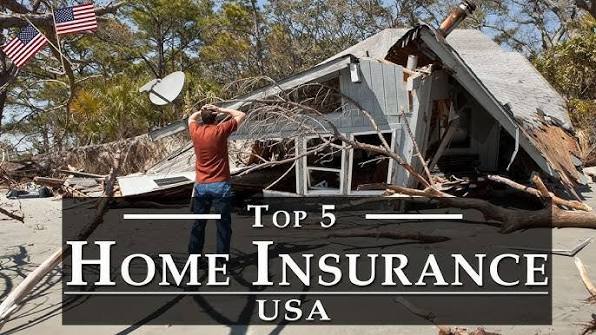
This is where many homeowners get caught off guard. Standard homeowners insurance generally does not cover flooding caused by overflowing rivers, storm surge, or heavy rainfall. People living in flood-prone areas often need separate flood insurance.
Earthquake damage is another common exclusion. Residents in states with significant seismic activity may need a separate earthquake policy or endorsement.
Because the United States has such varied geography, premiums differ dramatically. A homeowner in a hurricane-prone coastal area may pay far more than someone with a similar home in a lower-risk inland region.

Home Insurance in the United Kingdom
In the United Kingdom, home insurance is usually divided into two main products: buildings insurance and contents insurance.
Buildings insurance covers the physical structure of the home, including walls, roof, windows, permanent fixtures, and often kitchens and bathrooms. Contents insurance protects movable possessions such as furniture, televisions, laptops, clothing, and other household belongings.
Homeowners commonly buy both together, while tenants generally only need contents insurance because the landlord is responsible for the building.
Flood Risk in the UK
Flooding is an important consideration because some parts of England, Wales, Scotland, and Northern Ireland have experienced repeated flood events. Many policies include flood damage, but insurers assess the property’s flood history and location when setting premiums.
The UK market is highly competitive, so consumers often compare policies annually. Coverage levels, excess amounts, and optional extras can vary considerably between insurers.
Home Insurance in Canada
Canada’s home insurance market shares many similarities with the United States but has its own unique features. Policies generally protect the house, personal belongings, liability, and additional living expenses.
One major concern in Canada is severe weather. Winter storms, frozen pipes, hail, wildfires, and flooding can all affect homeowners depending on the province.
Water Damage in Canada
Water-related claims are among the most common types of home insurance claims in Canada. Insurers often distinguish between different causes of water damage. A burst indoor pipe may be covered, while overland flooding from heavy rain may require an additional endorsement.
Homeowners should read these sections carefully because “water damage” sounds simple but can mean very different things depending on how the water entered the property.
Home Insurance in Germany
In Germany, insurance is commonly split into separate policies. Wohngebäudeversicherung protects the residential building itself, while Hausratversicherung covers household contents.
This separation allows homeowners to choose exactly which risks they want insured.
The building policy commonly covers fire, lightning, explosions, storm damage, and hail. Household contents insurance protects furniture, electronics, clothing, and other belongings against risks such as fire, theft, and certain water damage.
Natural Hazard Coverage in Germany
Germany has experienced significant flooding in some regions. Protection against certain natural hazards, often called Elementarschäden, is frequently an optional addition rather than an automatic part of every policy.
This means homeowners need to check whether flooding, landslides, or other natural events are included in their coverage.
Home Insurance in France
French home insurance is often referred to as assurance habitation. It generally combines protection for the property, personal belongings, and liability.
One distinctive feature of the French insurance system is its approach to officially recognized natural catastrophes. When certain natural events receive official recognition, a national legal framework helps determine how insurers handle claims.
Policies commonly cover fire, theft, water damage, storms, and civil liability. Depending on whether you own or rent the property, your responsibilities differ.
Many landlords and mortgage lenders expect appropriate insurance to be in place, making home insurance an important part of property ownership in France.
Home Insurance in Switzerland
Switzerland has a particularly interesting system because building insurance is influenced by the country’s cantons. In many cantons, building insurance is provided through cantonal institutions, while household contents insurance is purchased separately from private insurers.
The building insurance often protects against fire and certain natural hazards. Household insurance covers furniture, electronics, clothing, and other personal possessions.
Cantonal Differences in Switzerland
Because Switzerland is organized into cantons, the exact insurance arrangements can vary depending on where the property is located. This makes it especially important for homeowners to understand the local rules rather than assuming every part of the country works identically.
Renters commonly purchase household contents and liability insurance, which are often bundled together.
Home Insurance in Australia
Australia’s climate has a major impact on home insurance. Bushfires, cyclones, hailstorms, floods, and severe storms all affect different parts of the country.
Australian insurers typically offer building insurance, contents insurance, or combined policies. Building insurance protects the physical home, while contents insurance covers personal possessions.
Flood Coverage in Australia
Flood insurance has been a major issue because definitions and coverage have historically varied between policies. Today, many insurers provide flood protection, but homeowners should still check the wording carefully.
Properties in cyclone-prone northern regions or bushfire-prone areas often face higher premiums because insurers price policies according to local risk.
Home Insurance in the Netherlands
The Netherlands has a distinctive relationship with water. Large parts of the country lie below sea level, and flood management is a national priority.
Homeowners generally purchase building insurance for the structure and contents insurance for personal belongings. Policies commonly cover fire, storm damage, theft, and water damage from internal causes.
Flooding and Dutch Insurance
Large-scale flooding from rivers or the sea is handled differently from ordinary household water damage. Because such events can affect enormous areas simultaneously, they are not always treated like standard insurance claims.
This makes it important for homeowners to understand the difference between a burst pipe and a large-scale flood event.
Home Insurance in Sweden
Sweden’s home insurance market is known for relatively broad household policies. Hemförsäkring, or home insurance, often provides protection not only for personal belongings but also for liability and legal assistance.
For homeowners, separate building insurance may also be needed to protect the property itself.
The Nordic approach tends to bundle several protections into a single policy, making the coverage feel more comprehensive than in some other countries.
Winter Risks in Sweden
Heavy snow, freezing temperatures, and storms are common concerns. Policies frequently include protection against weather-related damage, although exclusions and deductibles still apply.
Renters also commonly purchase home insurance because it protects their belongings and provides personal liability coverage.

Home Insurance in Norway
Norwegian home insurance follows a similar Nordic model. Homeowners generally insure the building and household contents, while renters focus mainly on contents and liability protection.
Norway’s weather creates unique risks, including heavy snowfall, strong winds, and water damage caused by freezing and thawing.
Many policies include broad protection for accidental events, although policy wording still determines exactly what is covered.
Because homes in Norway can be exposed to challenging weather conditions, insurers pay close attention to construction type and geographic location.
Home Insurance in New Zealand
New Zealand is one of the countries where natural hazards strongly influence home insurance. Earthquakes, volcanic activity, storms, and floods all shape the market.
Homeowners generally buy separate house and contents insurance, although some insurers package them together.
Earthquake Protection in New Zealand
Earthquake risk is a particularly important consideration. New Zealand has a system in which government-backed earthquake arrangements work alongside private insurance under certain circumstances.
Homeowners should understand how their private insurer and the national system interact because claims can involve both depending on the event.
Premiums vary according to location, construction, and local hazard exposure.
Home Insurance in Ireland
Irish home insurance usually consists of buildings and contents coverage. Homeowners often combine both into one policy, while tenants typically insure only their possessions.
Common risks include storms, wind damage, fire, theft, and water damage. Flooding has also become an important issue in certain areas, affecting both availability and pricing.
Liability protection is generally included, helping protect policyholders if they become legally responsible for injury or property damage to others.
Consumers often compare excess levels and policy limits because these can have a significant impact on both premiums and claims.

Home Insurance in Finland
Finland rounds out the Nordic group with a home insurance market that generally offers broad household protection. Policies often cover personal belongings against fire, theft, water damage, and other sudden events.
Homeowners may need separate protection for the building itself, depending on the policy arrangement.
Finnish insurers also consider risks such as winter weather, snow loads, and frozen pipes. Because the country experiences long cold seasons, maintaining the property properly is often an important condition of coverage.
Liability and legal expense protection are commonly available as part of household insurance packages.
What Home Insurance Usually Covers
Across these countries, most comprehensive home insurance policies protect against a core group of risks. While the details vary, there are several recurring themes.
| Common Coverage | Usually Included? |
|---|---|
| Fire | Yes |
| Theft | Yes |
| Storm damage | Usually |
| Burst pipes | Usually |
| Personal belongings | Yes with contents coverage |
| Liability | Often |
| Temporary accommodation | Often |
| Flooding | Depends on country and policy |
| Earthquakes | Depends on country and policy |
The biggest differences usually involve natural disasters. Floods, earthquakes, and large-scale catastrophes are the areas where homeowners need to pay the closest attention.
Factors That Affect Home Insurance Premiums
Insurance companies do not simply look at the value of your house. They evaluate many factors before deciding how much to charge.
Location is often the biggest factor. A home near a coastline exposed to hurricanes or cyclones may cost much more to insure than a similar property inland. Areas with repeated flooding or wildfires can also attract higher premiums.
The age and construction of the home matter too. Older properties with outdated electrical systems or plumbing may be considered riskier. Modern homes built to stronger building standards can sometimes qualify for lower premiums.
Claims history also matters. If a property or policyholder has made several claims, insurers may charge more or impose higher deductibles.
How to Choose the Right Home Insurance Policy
Choosing home insurance should not be treated as a race to find the cheapest premium. A low price can be attractive until you discover that the policy excludes the event that actually affects your home.
Start by calculating the rebuilding cost of the property rather than its market value. The amount needed to reconstruct the home after a total loss may be different from what it would sell for on the open market.
Next, estimate the value of your possessions. Many people underestimate how much furniture, clothing, electronics, and kitchen equipment they own. Walking through each room and making an inventory can reveal that replacing everything would cost far more than expected.
Finally, read the exclusions carefully. The most important information is often hidden in the sections explaining what the insurer will not pay for.

Buildings Insurance vs Contents Insurance
Understanding the difference between these two products is essential, especially in countries where they are sold separately.
Buildings insurance protects the physical structure of the property. This generally includes the roof, walls, floors, permanent fixtures, fitted kitchens, and bathrooms. If a fire destroys the house, buildings insurance is designed to pay for repairs or rebuilding within the policy limits.
Contents insurance, on the other hand, protects the things you could take with you if you moved. Furniture, televisions, computers, clothing, jewelry, and other possessions usually fall into this category.
Homeowners often need both. Renters usually need only contents insurance because the landlord is responsible for the building.
Common Exclusions to Watch For
No insurance policy covers absolutely everything. Exclusions exist to define the situations in which the insurer will not pay.
Wear and tear is a common example. If a roof gradually deteriorates because it has not been maintained, insurance usually will not pay to replace it. Pest infestations, such as termites or rodents, are also often excluded.
Intentional damage, illegal activities, and certain forms of neglect generally fall outside coverage as well.
Natural disasters deserve special attention because they differ from country to country. Floods and earthquakes are among the most common exclusions or areas where additional coverage is required.
The Importance of Reviewing Your Policy
Buying home insurance once and forgetting about it is rarely the best strategy. Homes and lifestyles change over time.
Perhaps you have renovated the kitchen, built an extension, installed solar panels, or purchased expensive electronics. If your policy still reflects the old value of the property and contents, you may not have enough coverage after a major loss.
Reviewing the policy annually also gives you a chance to compare prices and check whether your insurer has changed the terms. In competitive markets such as the UK, Ireland, Australia, and Canada, shopping around can sometimes reveal better value without sacrificing protection.
Conclusion
Home insurance in the USA, UK, Canada, Germany, France, Switzerland, Australia, Netherlands, Sweden, Norway, New Zealand, Ireland, and Finland follows the same fundamental purpose: protecting homeowners and renters from financial losses when unexpected events damage their homes or belongings. Yet the way that protection is delivered varies significantly from one country to another. Some markets combine building, contents, and liability coverage into comprehensive packages, while others divide them into separate policies. Natural hazards such as floods, earthquakes, bushfires, and severe storms also play a major role in determining what is included and how much insurance costs.
The best approach is to focus on the risks that are most relevant to your home rather than simply choosing the cheapest policy. A homeowner in California faces different concerns from someone in Finland, just as a property in New Zealand has different risks from one in the Netherlands. Understanding the local insurance system, checking policy exclusions, and making sure your coverage reflects the true value of your home and possessions can help ensure that your insurance is there when you actually need it.
Frequently Asked Questions
1. Is home insurance mandatory in these countries?
Home insurance is generally not legally mandatory for every homeowner, but mortgage lenders commonly require buildings insurance while a loan is outstanding. Some countries or tenancy arrangements may also require renters to carry contents or liability insurance.
2. Does home insurance cover flooding?
It depends on the country and the policy. Flood protection is often included in the UK and France under certain conditions, while in the USA, Germany, Canada, and Australia it may require separate coverage or an endorsement.
3. Are earthquakes covered by standard home insurance?
Usually not. Earthquake coverage is commonly excluded in places such as the USA, while New Zealand has a special system that works alongside private insurance for qualifying earthquake damage.
4. What is the difference between buildings and contents insurance?
Buildings insurance covers the structure of the property, including permanent fixtures. Contents insurance protects personal belongings such as furniture, electronics, clothing, and household items.
5. How often should I review my home insurance?
Reviewing your policy at least once a year is a good habit. You should also check it after major renovations, purchasing expensive belongings, or moving to a new property to make sure your coverage remains adequate.