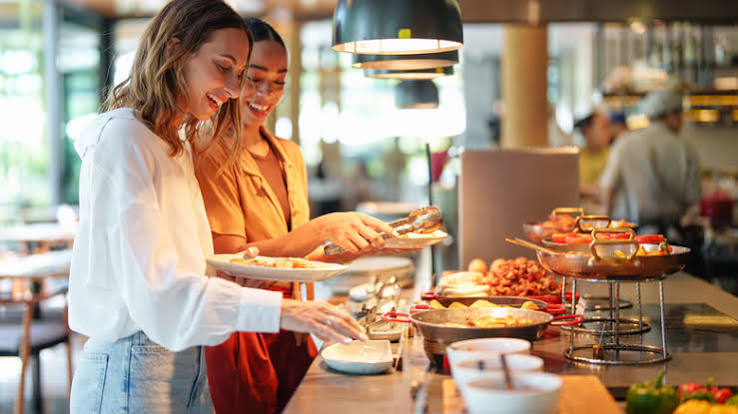
Buffet in USA: The Complete Guide to America’s All-You-Can-Eat Dining Experience (2026)
Buffet in USA: The Complete Guide to America’s All-You-Can-Eat Dining Experience
Few dining experiences are as exciting as walking into a buffet restaurant where dozens—sometimes hundreds—of dishes are waiting to be explored. Whether you crave juicy steaks, fresh seafood, international cuisine, comforting Southern classics, or irresistible desserts, American buffets offer something for everyone. Families appreciate the flexibility because every member can choose exactly what they want, while travelers enjoy sampling regional specialties without ordering multiple entrées.
Buffets have become more than just affordable places to eat. Today’s restaurants focus on quality, freshness, and variety, attracting food lovers looking for value without sacrificing taste. Recent industry reports show that buffet dining is enjoying a strong comeback as diners seek fixed-price meals that deliver excellent value during a period of rising restaurant prices. Searches for all-you-can-eat buffets have increased significantly, reflecting renewed consumer interest in unlimited dining experiences.
In this comprehensive guide, you’ll discover everything you need to know about buffets in the USA—from their history and different styles to the best buffet chains, average prices, dining etiquette, and practical tips for getting the most from your visit.
What Is a Buffet Restaurant?
A buffet restaurant is a dining establishment where customers pay a fixed price and serve themselves from a wide selection of prepared dishes arranged on counters or food stations. Unlike traditional restaurants where meals are ordered from a menu and delivered by servers, buffets allow guests to explore different cuisines at their own pace. This dining style is especially popular in the United States because it offers flexibility, variety, and excellent value for individuals, families, and large groups alike. Whether you’re craving grilled meats, fresh salads, seafood, pizza, pasta, desserts, or international specialties, a buffet lets you customize your plate exactly the way you like it.
The appeal of buffet dining goes beyond simply eating as much as you want. It creates an experience where every guest can satisfy different tastes without compromise. Imagine a family where one person wants fried chicken, another prefers sushi, while someone else is looking for vegetarian dishes. At a buffet, everyone leaves happy because the options are virtually endless. Modern American buffets have also improved significantly in terms of food quality, cleanliness, and presentation. Many restaurants now prepare dishes in small batches throughout the day to ensure freshness, while live cooking stations allow chefs to prepare steaks, omelets, pasta, or seafood right in front of diners. This evolution has transformed buffets from simple all-you-can-eat restaurants into exciting culinary destinations.
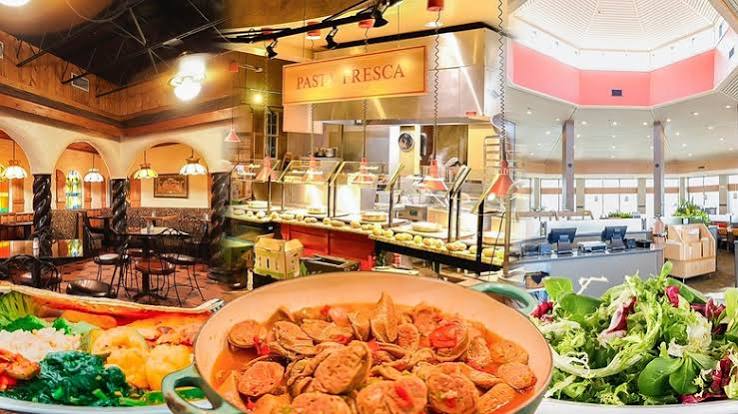
How the Buffet Concept Works
The buffet system is surprisingly simple, making it accessible for first-time visitors and experienced diners alike. Guests usually pay before being seated, although some upscale establishments collect payment afterward. Once seated, diners receive plates and can visit the buffet stations as many times as they like within the restaurant’s dining policies. Drinks may be included in the admission price or charged separately depending on the restaurant. Some buffets also offer premium upgrades for specialty seafood, steak, or beverages.
Many American buffets organize their food into dedicated sections, making navigation easy and enjoyable. You’ll often find separate stations for appetizers, soups, salads, grilled meats, fried foods, vegetables, ethnic cuisine, desserts, beverages, and freshly prepared items. Upscale buffets frequently include carving stations where chefs slice roast beef or turkey on demand, while breakfast buffets may feature made-to-order omelets and pancakes. This organized layout encourages diners to sample a wide range of foods while maintaining efficient service. Restaurants also replenish dishes frequently, ensuring guests arriving later still enjoy fresh meals comparable to those who arrive when the buffet first opens.
Why Americans Love Buffet Dining
Buffets have become deeply woven into American dining culture because they provide exceptional value and unmatched variety. In a country known for generous portions and diverse culinary traditions, buffet restaurants naturally fit consumer expectations. Families appreciate knowing exactly how much the meal will cost before they begin eating, making budgeting easier than ordering individual menu items. Children enjoy choosing their favorite foods independently, while adults appreciate being able to sample multiple cuisines during a single meal.
Another major reason buffets remain popular is their convenience for celebrations, vacations, business gatherings, and large family events. Instead of waiting for individual meals to be prepared, everyone can begin eating immediately after being seated. This significantly reduces waiting time and allows guests to dine at their own pace. Buffets also eliminate the challenge of choosing just one entrée, giving adventurous eaters the opportunity to taste several dishes without ordering multiple meals. As American dining habits continue evolving, buffets remain one of the few restaurant formats capable of satisfying virtually every age group, dietary preference, and appetite level, making them an enduring favorite across the United States.
History of Buffets in the United States
Although buffet-style dining has roots in Europe, it found enormous success in the United States during the twentieth century. Las Vegas casinos helped popularize extravagant all-you-can-eat buffets by offering inexpensive meals to attract gamblers, eventually transforming buffet dining into an entertainment experience rather than simply a way to eat. As suburban communities expanded during the 1960s and 1970s, national buffet chains began opening locations across America, providing affordable meals for growing families. The concept quickly spread because it combined convenience, affordability, and endless variety—qualities that perfectly matched American lifestyles.
Throughout the following decades, buffet restaurants evolved dramatically. Early buffets often emphasized quantity over quality, but customer expectations gradually changed. Restaurants invested in fresher ingredients, better recipes, attractive food presentation, and improved hygiene standards. Today, many buffets rival traditional restaurants by offering premium steaks, seafood, handcrafted desserts, international cuisine, and chef-attended cooking stations. This shift has broadened the appeal of buffets beyond budget-conscious diners to include food enthusiasts seeking variety without sacrificing quality. The modern buffet has become a showcase of culinary diversity, reflecting America’s multicultural food landscape while continuing to provide excellent value for guests of all ages.
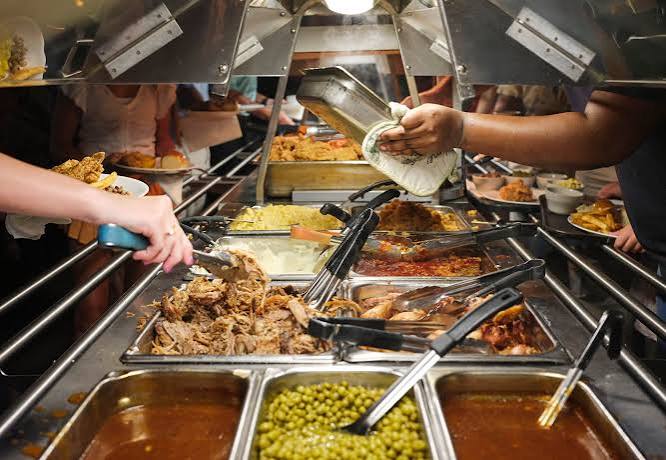
Post-Pandemic Revival
The buffet industry faced unprecedented challenges during the global pandemic as health concerns, temporary closures, and changing consumer habits forced many restaurants to rethink their operations. Self-service dining was suddenly viewed with caution, and numerous buffet chains either suspended service or shifted to cafeteria-style models where employees served food behind protective barriers. While this period was difficult for the industry, it also became an opportunity for restaurants to modernize their operations. Many buffet operators invested heavily in enhanced sanitation procedures, touch-free payment systems, improved ventilation, frequent food replacement schedules, and stricter food safety protocols. These improvements helped rebuild customer confidence and demonstrated that buffet dining could remain both enjoyable and safe.
As travel resumed and families returned to dining out, buffets experienced a strong resurgence. Consumers appreciated the predictable pricing of all-you-can-eat meals at a time when restaurant menu prices were increasing across the country. Instead of paying separately for appetizers, main courses, desserts, and side dishes, guests could enjoy a complete dining experience for one fixed price. Many buffet chains also expanded their menus to include healthier options, premium seafood, international cuisine, and chef-prepared specialties, attracting a broader audience than ever before. Today, buffet restaurants continue to evolve by combining traditional favorites with modern dining trends, proving that the all-you-can-eat concept remains highly relevant in today’s restaurant industry.
Types of Buffets in the USA
The United States is home to an incredible variety of buffet restaurants. Each type offers a unique dining experience that reflects different cultures, regional traditions, and customer preferences. Whether you’re searching for comfort food, fresh seafood, authentic Asian dishes, or premium grilled meats, there’s a buffet designed to satisfy every craving.
American Buffets
American buffets are the most common type found throughout the country. These restaurants specialize in traditional comfort foods that appeal to a wide range of diners. Typical menu items include fried chicken, roast beef, mashed potatoes, macaroni and cheese, meatloaf, baked fish, fresh salads, soups, pizza, pasta, seasonal vegetables, and an impressive dessert selection featuring cakes, cookies, pies, soft-serve ice cream, and puddings. Breakfast buffets often add scrambled eggs, bacon, sausage, pancakes, waffles, biscuits with gravy, fresh fruit, and pastries.
One of the greatest advantages of American buffets is their versatility. Families with children, seniors, large groups, and travelers can all find meals that suit their tastes without compromise. Many restaurants rotate daily specials, allowing frequent visitors to enjoy something different each visit. Holiday buffets become especially popular during Thanksgiving, Christmas, Easter, and Mother’s Day, when restaurants prepare elaborate spreads featuring carved turkey, prime rib, glazed ham, stuffing, seasonal vegetables, and festive desserts. These special events attract guests looking for restaurant-quality holiday meals without the effort of cooking at home.
Seafood Buffets
Seafood buffets represent one of the most luxurious buffet experiences available in the United States. Coastal cities such as Las Vegas, Myrtle Beach, Orlando, Biloxi, Atlantic City, and various destinations in Florida are famous for restaurants serving extensive selections of fresh seafood. Depending on the restaurant and season, guests may enjoy crab legs, shrimp, oysters, mussels, lobster, crawfish, salmon, grilled fish, sushi, clam chowder, seafood pasta, scallops, and numerous shellfish specialties.
Because seafood is generally more expensive than other buffet offerings, these restaurants typically charge higher prices. Even so, seafood buffets remain popular because ordering the same variety individually from a traditional restaurant would often cost significantly more. Premium seafood buffets frequently feature live cooking stations where chefs grill fish or prepare shrimp to order, ensuring exceptional freshness. Many establishments also include non-seafood options such as steak, chicken, pasta, salads, and desserts, making them suitable for groups with diverse preferences. For seafood lovers, these buffets provide one of the best opportunities to sample a wide range of high-quality dishes during a single meal.
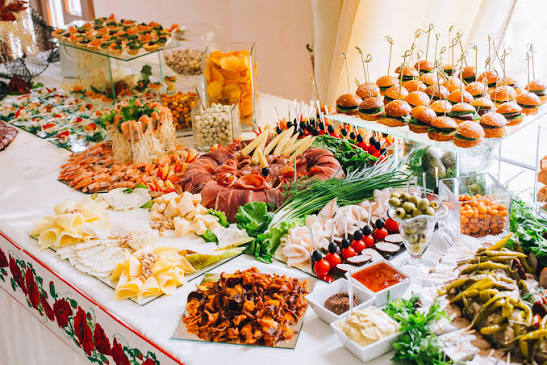
Asian Buffets
Asian buffets have become increasingly popular across the United States thanks to their impressive variety and ability to introduce diners to multiple Asian cuisines under one roof. Instead of focusing on a single country’s culinary traditions, many restaurants combine Chinese, Japanese, Thai, Vietnamese, Korean, and Mongolian dishes into one extensive buffet. Popular offerings include sushi, fried rice, lo mein noodles, dumplings, spring rolls, General Tso’s chicken, orange chicken, beef with broccoli, teriyaki chicken, hibachi-style grilled meats, curry dishes, miso soup, fresh vegetables, and a wide assortment of seafood.
Many Asian buffets enhance the dining experience with made-to-order hibachi stations where guests select fresh meats, vegetables, noodles, and sauces before chefs cook everything on a large flat grill. This interactive approach not only guarantees freshness but also allows diners to customize every meal according to their preferences. Sushi stations have also become a major attraction, with skilled chefs preparing fresh rolls throughout the day. These restaurants often finish the experience with Asian-inspired desserts alongside familiar American sweets, creating a diverse dining adventure that appeals to both adventurous eaters and those seeking familiar favorites.
Brazilian Steakhouse Buffets
Brazilian steakhouses, often known as rodízio-style restaurants, offer one of the most distinctive buffet experiences in America. Unlike traditional self-service buffets, guests usually help themselves to an extensive salad bar while servers continuously bring freshly grilled meats directly to the table. Cuts such as sirloin, filet mignon, ribeye, lamb, pork, chicken, sausage, and beef ribs are carved tableside until diners indicate they are finished. This combination of unlimited premium meats and gourmet side dishes creates an upscale dining experience unlike any other buffet concept.
These restaurants generally charge higher prices than traditional buffets because of the premium quality of their ingredients and personalized table service. The salad bars often include imported cheeses, smoked salmon, artisan breads, roasted vegetables, specialty salads, cured meats, gourmet soups, and fresh fruits, making them impressive enough to serve as complete meals on their own. Brazilian steakhouses are especially popular for birthdays, anniversaries, business dinners, and special celebrations where guests want to enjoy exceptional food in an elegant setting. For meat lovers, few dining experiences can match the variety and quality offered by this unique style of buffet.
Best Buffet Chains in America
The United States is home to several well-known buffet chains that have earned loyal customers through consistent quality, diverse menus, and affordable pricing. Whether you’re traveling across the country or looking for a family-friendly restaurant close to home, these buffet chains are among the most popular choices.
Golden Corral
Golden Corral is widely recognized as one of America’s largest buffet chains. Known for its extensive menu, the restaurant serves breakfast, lunch, and dinner with hundreds of menu combinations available throughout the day. Guests can enjoy freshly grilled steaks, fried chicken, pot roast, mashed potatoes, salads, soups, tacos, pizza, pasta, fresh fruit, and an impressive dessert bar complete with cakes, cookies, brownies, and soft-serve ice cream.
Families particularly appreciate Golden Corral because it offers something for every age group. Children can enjoy kid-friendly favorites, while adults often appreciate the carving station and made-to-order grill. Seasonal menu additions and holiday buffets make repeat visits worthwhile, ensuring customers can always discover something new.
CiCis Pizza
For pizza lovers, CiCis Pizza provides an affordable all-you-can-eat experience focused on freshly baked pizzas, pasta, salads, soups, and desserts. Guests can sample multiple pizza flavors instead of committing to just one. Classic pepperoni, meat lovers, veggie, barbecue chicken, and specialty pizzas rotate throughout the day.
CiCis is especially popular with families, birthday parties, and sports teams because of its budget-friendly pricing. Many locations also feature arcade games, creating an entertaining atmosphere where children can enjoy both food and fun.
Fogo de Chão
Fogo de Chão offers a premium Brazilian steakhouse experience unlike a traditional buffet. Instead of serving yourself from a large hot-food line, guests enjoy an elegant gourmet salad bar while expertly trained servers continuously carve premium meats tableside.
The restaurant is famous for serving dozens of cuts including filet mignon, picanha, ribeye, lamb chops, pork, chicken, and Brazilian sausage. The upscale atmosphere makes it ideal for anniversaries, business dinners, birthdays, and celebrations.
Pizza Ranch
Pizza Ranch combines buffet dining with Midwestern comfort food. In addition to unlimited pizza, guests can enjoy crispy fried chicken, mashed potatoes, vegetables, salad bar selections, desserts, and seasonal specialties.
Many families appreciate Pizza Ranch because it balances familiar comfort foods with excellent value. Its welcoming atmosphere and consistent quality have helped it become one of the most respected regional buffet chains in America.
Buffet Prices in the USA
One of the biggest advantages of buffet dining is predictable pricing. Instead of ordering appetizers, entrées, desserts, and side dishes separately, guests pay one fixed price for unlimited access to the buffet.
The following table provides typical price ranges found across the United States.
| Buffet Type | Average Adult Price |
|---|---|
| Breakfast Buffet | $10–20 |
| Lunch Buffet | $12–22 |
| Dinner Buffet | $18–35 |
| Seafood Buffet | $35–80+ |
| Brazilian Steakhouse | $45–80+ |
| Casino Luxury Buffet | $40–90+ |
Children usually receive discounted pricing based on age, while seniors often qualify for additional savings during specific hours. Weekend dinners and holiday buffets generally cost slightly more because they feature expanded menus and premium items such as crab legs, prime rib, or specialty desserts.
Although buffet prices have increased over recent years due to higher food and labor costs, they still represent excellent value for diners who enjoy sampling multiple dishes during a single meal.
Buffet Etiquette and Tips
A buffet is designed to provide freedom of choice, but following basic etiquette helps ensure everyone enjoys the experience.
Begin by taking small portions during your first trip. Since there are usually dozens of dishes available, filling your plate immediately may leave little room to try other specialties. Sampling smaller portions allows you to discover new favorites without creating unnecessary food waste.
Always use the serving utensils provided for each dish rather than your personal utensils. This helps maintain cleanliness and prevents cross-contamination. Likewise, avoid touching food with your hands unless it is specifically intended to be picked up that way.
If you’re dining with children, supervise them while they visit the buffet. This prevents spills, keeps serving stations organized, and ensures everyone can move comfortably through the restaurant.
Another important courtesy is avoiding excessive food waste. Although buffets are “all-you-can-eat,” restaurants expect guests to take only what they intend to finish. Many establishments even charge additional fees for large amounts of leftover food.
Finally, remember that servers still work hard to clear tables, refill drinks, and maintain the dining room. Leaving a reasonable tip for good service remains standard practice in the United States.
Health and Nutrition
Many people assume buffet dining automatically leads to overeating, but that’s not necessarily true. With thoughtful choices, buffets can provide balanced and nutritious meals.
A smart strategy is to begin with fresh salads, vegetables, fruit, or broth-based soups before moving to heavier dishes. These foods help satisfy hunger while providing important vitamins, minerals, and fiber.
Choose lean proteins such as grilled chicken, turkey, seafood, or roasted meats instead of relying entirely on fried foods. Pairing protein with vegetables creates a satisfying meal without excessive calories.
Desserts are one of the highlights of any buffet, but moderation is key. Rather than trying every sweet available, select one or two favorites and enjoy them slowly. This approach allows you to indulge without feeling overly full afterward.
Listening to your body’s natural hunger signals is equally important. The goal of buffet dining is to enjoy variety—not necessarily to eat as much as possible. Eating slowly gives your brain enough time to recognize fullness, making the experience far more enjoyable.
Conclusion
Buffet restaurants continue to play an important role in American dining culture because they combine variety, convenience, and value in a way few other restaurant concepts can match. Whether you’re looking for a quick family dinner, a luxurious seafood feast, an authentic Brazilian steakhouse experience, or an international culinary adventure, the United States offers buffet options for every taste and budget.
Today’s buffets have evolved far beyond the traditional all-you-can-eat model. Modern restaurants emphasize freshness, food safety, live cooking stations, premium ingredients, and diverse menus that appeal to diners of all ages. By understanding buffet etiquette, choosing balanced meals, and exploring different styles of buffet restaurants, you can enjoy an exceptional dining experience while making the most of your visit.
Whether you’re a first-time visitor or a seasoned buffet enthusiast, America’s buffet scene continues to deliver unforgettable meals that celebrate abundance, diversity, and the simple joy of sharing great food with family and friends.
Frequently Asked Questions
1. What is the average cost of a buffet in the USA?
Most buffet restaurants charge between $12 and $35 per adult, while premium seafood and Brazilian steakhouses often range from $45 to $80 or more.
2. Are drinks included in buffet prices?
It depends on the restaurant. Water is generally included, while soft drinks, specialty beverages, and alcoholic drinks are usually charged separately.
3. Can you visit the buffet as many times as you want?
Yes. Most all-you-can-eat buffets allow unlimited trips to the food stations during your meal, provided you follow the restaurant’s dining policies and avoid wasting food.
4. Are buffet restaurants suitable for vegetarians?
Absolutely. Most buffets offer extensive salad bars, vegetable dishes, pasta, rice, soups, fruit, desserts, and other vegetarian-friendly options.
5. What is the best time to visit a buffet?
Lunch is often the best choice for value, while dinner typically offers the widest variety of premium dishes. Arriving shortly after opening usually ensures the freshest selection and shorter wait times.